
AIDA Copywriting Framework: 4 Steps to Create Content That Converts
Creating effective marketing content involves more than writing attractive headlines or using impressive words. The real challenge is understanding your audience, connecting with their needs, and encouraging them to take action.
Think about the last advertisement or social media post that caught your attention. What made you stop scrolling? Was it an interesting headline, a relatable problem, or a benefit that matched your needs?
Successful copywriting often follows a structured approach to guide readers towards a decision. One popular method is the AIDA copywriting framework.
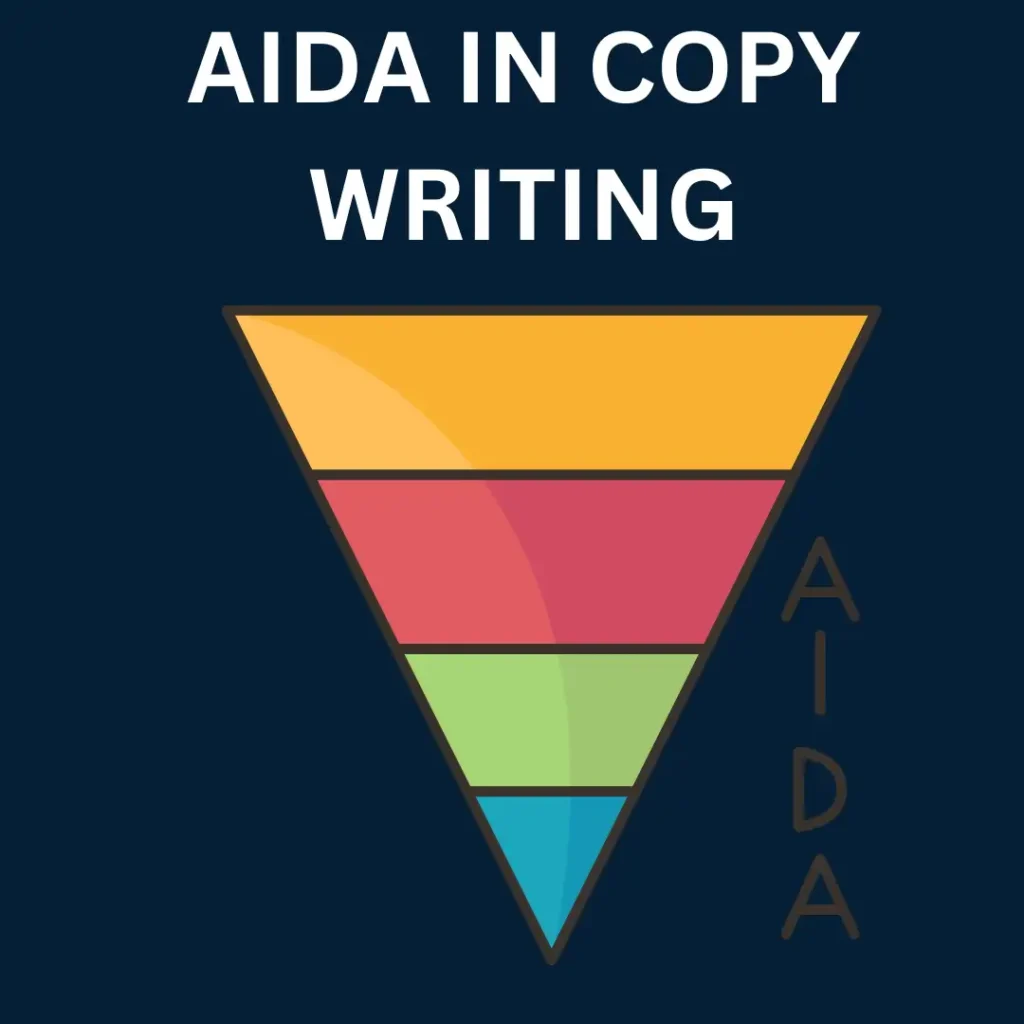
AIDA stands for Attention, Interest, Desire, and Action. It is a four-step approach that helps marketers develop persuasive messages and guide potential customers through the buying journey.
Whether you create website content, landing pages, email campaigns, product descriptions, or social media advertisements, the AIDA model can help make your communication more engaging and effective.
What Is the AIDA Copywriting Framework?
The AIDA copywriting framework is a marketing model that explains how to attract potential customers, maintain their interest, build their desire for an offer, and encourage them to take action.
Rather than immediately promoting a product or asking someone to make a purchase, this approach gradually introduces the value of an offer.
AIDA represents four important stages:
Attention: Make your audience notice your message through an engaging headline or opening.
Interest: Keep readers engaged by discussing their needs, questions, or challenges.
Desire: Explain how your product or service can provide value and solve their problems.
Action: Encourage readers to complete a specific activity through a clear call-to-action.
In simple terms, AIDA helps transform an ordinary marketing message into a structured communication that connects with customers and encourages meaningful engagement.
1. Attention: Create a Strong First Impression
The first step in effective copywriting is capturing the audience’s attention. Before people read your message, they need a reason to stop and notice it.
Internet users come across numerous advertisements, emails, website pages, and social media updates every day. A general or uninteresting headline can easily get lost among competing content.
To make your message stand out, begin with something that connects with your audience. You can use an interesting question, highlight a common problem, introduce a useful benefit, or create curiosity.
Example:
Weak headline: “Improve Your Social Media Marketing.”
Better headline: “Creating Social Media Posts Every Day but Getting No Engagement?”
The second headline highlights a familiar problem and encourages readers to discover why it happens.
Ways to capture attention:
Create meaningful and attractive headlines.
Begin with questions that reflect customer problems.
Highlight relevant benefits.
Use clear and conversational language.
Make your opening interesting without misleading readers.
Remember, the purpose of a headline is not simply to attract clicks. It should attract the right audience.
2. Interest: Keep Your Audience Engaged
At this stage, your message should connect with the audience’s expectations and explain why the topic matters to them.
For example, imagine you are promoting a social media management service. Instead of immediately describing your service, explain a problem that many businesses experience.
You could write:
“Publishing content regularly does not always guarantee better engagement. When your posts lack a clear direction or fail to match your audience’s interests, your social media efforts may not deliver the results you expect.”
This explanation makes the content relatable and gives readers a reason to learn more.
Ways to develop interest:
Research your target audience.
Discuss problems that customers commonly experience.
Include useful information and relevant examples.
Organize your content with descriptive headings.
Keep your sentences simple and easy to follow.
When readers recognize their own challenges in your content, they are more likely to remain interested.
3. Desire: Communicate the Value of Your Offer
After developing interest, your next objective is to create desire. This stage focuses on showing readers why your product, service, or solution is worth considering.
Customers are generally more interested in understanding what they can gain than simply reading a list of product features. Therefore, effective copywriting connects features with practical benefits.
Consider this example:
Feature-based message:
“Our marketing platform offers advanced analytics and performance reports.”
Benefit-based message:
“Understand which campaigns attract more customers so you can improve your marketing decisions and use your advertising budget wisely.”
The second message explains the actual value behind the feature.
To build desire, demonstrate how your offer can make a difference. Explain its benefits, address customer concerns, and provide genuine reasons to trust your solution.
Ways to create desire:
Explain the benefits of your product or service.
Connect your solution with customer requirements.
Include genuine testimonials and customer experiences.
Highlight the value that makes your offer useful.
Support your claims with relevant information.
Your objective is to help potential customers understand how your solution fits their needs.
4. Action: Encourage Customers to Take the Next Step
The final stage of the AIDA marketing model is Action. After attracting attention, developing interest, and communicating value, you need to guide readers towards a clear next step.
This is where a Call-to-Action (CTA) plays an important role.
A CTA is a short message that encourages visitors to perform a specific activity. It helps remove uncertainty by clearly explaining what readers should do next.
Depending on your marketing goals, you can encourage your audience to:
Purchase a product.
Schedule a consultation.
Download a free resource.
Subscribe to an email newsletter.
Register for an online workshop.
Contact your business.
Explore additional website content.
Example:
Instead of writing a general instruction such as “Click Here,” use a more meaningful message:
“Schedule Your Free Digital Marketing Consultation Today!”
A relevant CTA connects the reader’s interest with an appropriate action and makes your marketing communication more effective.
Common Mistakes to Avoid When Using AIDA
Although the AIDA framework provides a useful structure, its effectiveness depends on how naturally you apply it.
Here are some mistakes that can reduce the quality of your marketing copy:
1. Using misleading headlines: Avoid exaggerated statements that create expectations your product or service cannot fulfil.
2. Ignoring audience requirements: Content becomes less effective when it does not address the actual needs and interests of potential customers.
3. Highlighting features without benefits: Explain how your product or service helps customers rather than simply listing its features.
4. Writing unclear CTAs: Give readers a specific instruction instead of leaving them uncertain about what to do.
5. Making content unnecessarily complicated: Avoid lengthy sentences, repeated information, and irrelevant explanations.
6. Forgetting the importance of trust: Use honest descriptions, genuine benefits, and accurate information to build customer confidence.
AIDA should make your message easier to understand and more persuasive. It should never make your writing feel forced or overly promotional.
Final Thoughts
Effective copywriting starts with understanding people, not just choosing the right words. Your message should attract attention, provide relevant information, communicate value, and guide readers towards a meaningful next step.
The AIDA copywriting framework offers a simple way to organize your marketing communication around these four objectives.
Whether you are developing website content, writing advertisements, preparing email campaigns, or creating social media posts, you can use this approach to make your messages more focused and customer-oriented.
Start with an interesting headline, build a connection through useful information, demonstrate the benefits of your offer, and finish with a clear call-to-action.